
VIDEOS TO REINFORCE THE KEY THEMES OF WHAT YOU’VE READ
Thanks for reading The Kids Who Aren’t Okay. As you now know, the book has a very different view of kids’ concerning behavior and equally different views on how we can best help them. These first videos cement the key themes of the model.
Solving Problems Rather Than Modifying Behavior

Solving Problems Collaboratively Rather Than Unilaterally
Let’s Get You Out of the Heat of the Moment

Kids Do Well if They Can
THE ASSESSMENT OF SKILLS AND UNSOLVED PROBLEMS (ASUP)
As you read in Chapter 4, the ASUP is going to help you identify the information that’s been missing — skills and unsolved problems — so you can be early instead of late. The video on the left below goes into greater detail about how to use the ASUP, and the video below on the right shows you the ASUP being used to understand a real first grade student. That’s the ASUP in the middle.

Video: How to complete the ASUP2024
SOLVING PROBLEMS COLLABORATIVELY AND PROACTIVELY
As you read in Chapter 5, once you’ve identified and prioritized a student’s unsolved problems, it’s time to start solving those problems, collaboratively and proactively. The video to the right provides a description of the three Plans and the three steps of Plan B…and the videos below show you what Plan B looks like, both in a whole class and with individual kids. More videos are coming!
The Three Plans and the Three Steps of Plan B
Plan B with Sophia and Mel
In this video you’ll see preschooler Sophia doing Plan B with her school counselor, Mel…a good example of all three steps of Plan B.
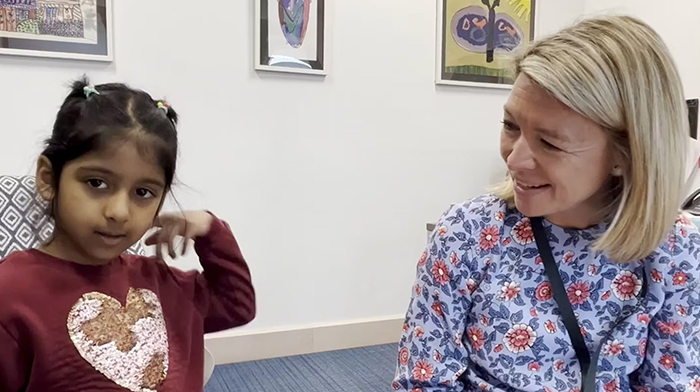
Plan B with Ashvee and Suzanne
In this video you’ll see preschooler Ashvee doing Plan B with her advisor, Suzanne, and they, too, make it through all three steps.

The Empathy Step with Leyla and Jess
Here we have preschooler Leyla doing the Empathy step with her school counselor, Jess. This one is a good example of how a kid’s concerns may not seem clear early on but clarify if adults stick with the drilling strategies.
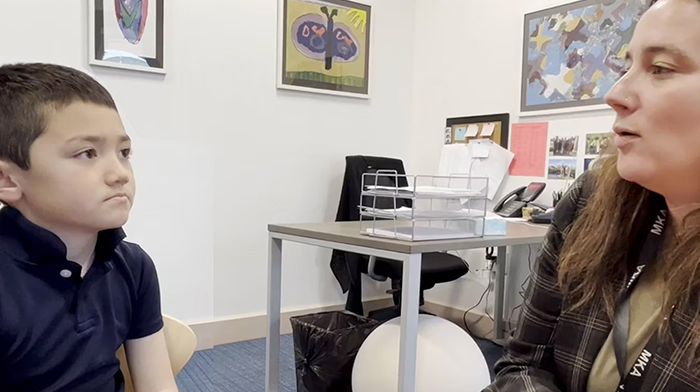
The Empathy Step with Zach and Tara
Another good example here of how good drilling makes things much more clear, as Zach and his teacher Tara engage in the Empathy step.
CPS MATERIALS/PAPERWORK
Here’s all the paperwork — the resources and instruments — and research related to the CPS model.
Assessment of Skills and Unsolved Problems (ASUP 2024) and Early Problems Worksheet
The recently revised Assessment of Skills and Unsolved Problems (ASUP 2024) is used to identify the skills that may be making it difficult for a kid to respond adaptively to problems and frustrations or meet certain expectations, and the unsolved problems that need to be solved. It’s printable/editable/fillable, or you can access it as a Google Doc (directions for making a copy can be found here). Kids with fewer unsolved problems may not require the ASUP; for them, tracking progress on solving single problems using the Early Problems Worksheet may suffice. And — new! — for adults, there’s the ASUP-A.
ASUP GUIDE
The ASUP Guide provides helpful guidelines for completing the ASUP 2024.
DRILLING CHEAT SHEET
The Drilling Cheat Sheet provides an overview of the drilling strategies that can be used to gather information in the Empathy step of Plan B.
PLAN B CHEAT SHEET
The Plan B Cheat Sheet provides a graphic overview of the key components you’ll want to keep in mind when you’re doing Plan B.
PROBLEM SOLVING PLAN
The Problem Solving Plan helps you keep track of the high-priority unsolved problems you’re currently working on and the progress you’re making in solving them, and it’s printable/editable/fillable too.
PROBLEM SOLVING REFERRAL FORM
The Problem Solving Referral Form was created to help schools shift from discipline referrals to referrals that prompt scheduling time for Plan B. You can tailor it to the needs of your school.
MEETING CHECKLISTS
This is where to find the Plan-B-Checklist and ASUP Meeting Checklist…so you can self-assess how you did.
PLAN B TRAINING SKILLS INFOGRAPHIC
Want to know what skills are being built by Plan B? Check out this graphic (with thanks to certified provider Linda Oberg for creating).
FIVE FINGERS METHOD
If you’re trying to solve a problem with a child or adolescent who’s having difficulty providing you with information in the Empathy step, you may find that five fingers can help you get the information you’re seeking (with thanks to certified provider Jodell Allinger for creating).
ASUP-INFORMED IEP & FBA SAMPLES
You can find a CPS-flavored sample IEP for the US here, and one for Canada here. And here’s our original CPS-flavored Functional Behavior Assessment, along with a new hybrid FBA (created in collaboration with Abigail Wallman, Ph.D., school psychologist in the Farmington [CT] Public Schools).
CPS MODEL ONE-PAGER
And here’s a one-page description of the Collaborative & Proactive Solutions approach.
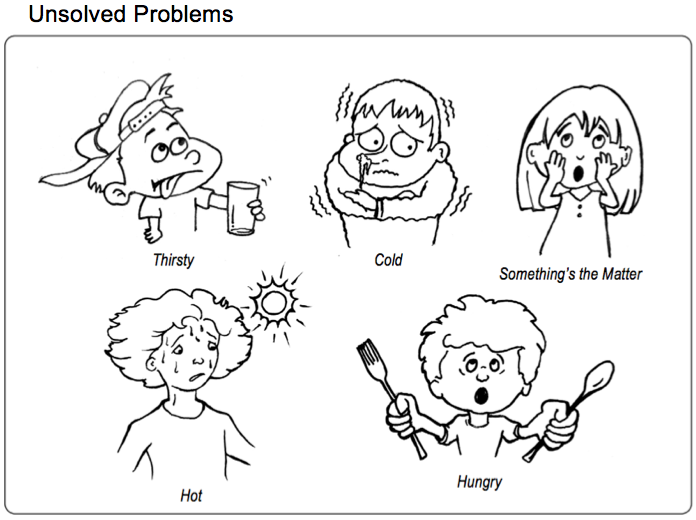
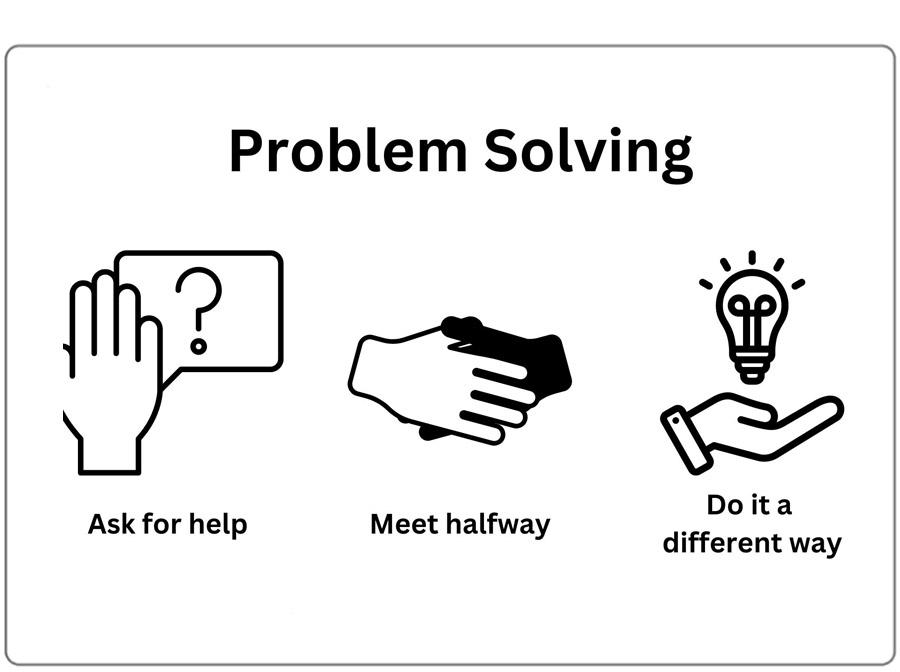
LENS CHANGER APP
Our Lens Changer app sure does make it easy to apply the CPS model. It’s currently under construction – check back soon!
RESEARCH
The Collaborative & Proactive Solutions* model is recognized as an empirically-supported, evidence-based treatment by the California Evidence-Based Clearinghouse for Child Welfare (CEBC). The research base supporting the effectiveness of the CPS model continues to grow, and this page is updated continuously. Learn more.